HuskyPack: A Theory-Driven Campus Social Application
Research Paper | Mobile App Proposal

Social Connection
Mobile App, UX/UI Design, Behavioral Design, Mental Health
Year:
2025
OVERVIEW
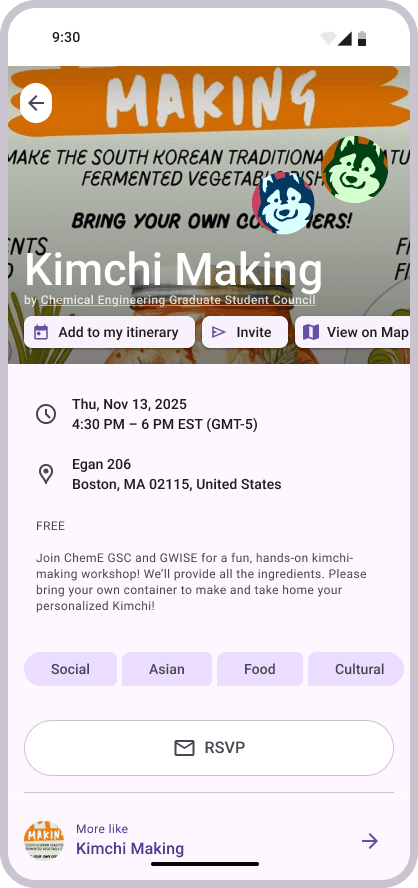
HuskyPack is a research proposal and design concept designed to address the growing epidemic of loneliness among Northeastern university students and foster meaningful social connection interventions, using behavioral theory to inform the UX design.
Project Type: Academic Research Proposal & Design Concept
Timeline: Fall 2025 – Ongoing
Team: Elan Suder, Erin Song, Kalyan Kumar Mallepalli Lakshmipathi
Advisor: Dr. Matthew Goodwin
Deliverables: 62-page research paper + Figma prototype
ROLE
WHO IS THIS FOR?
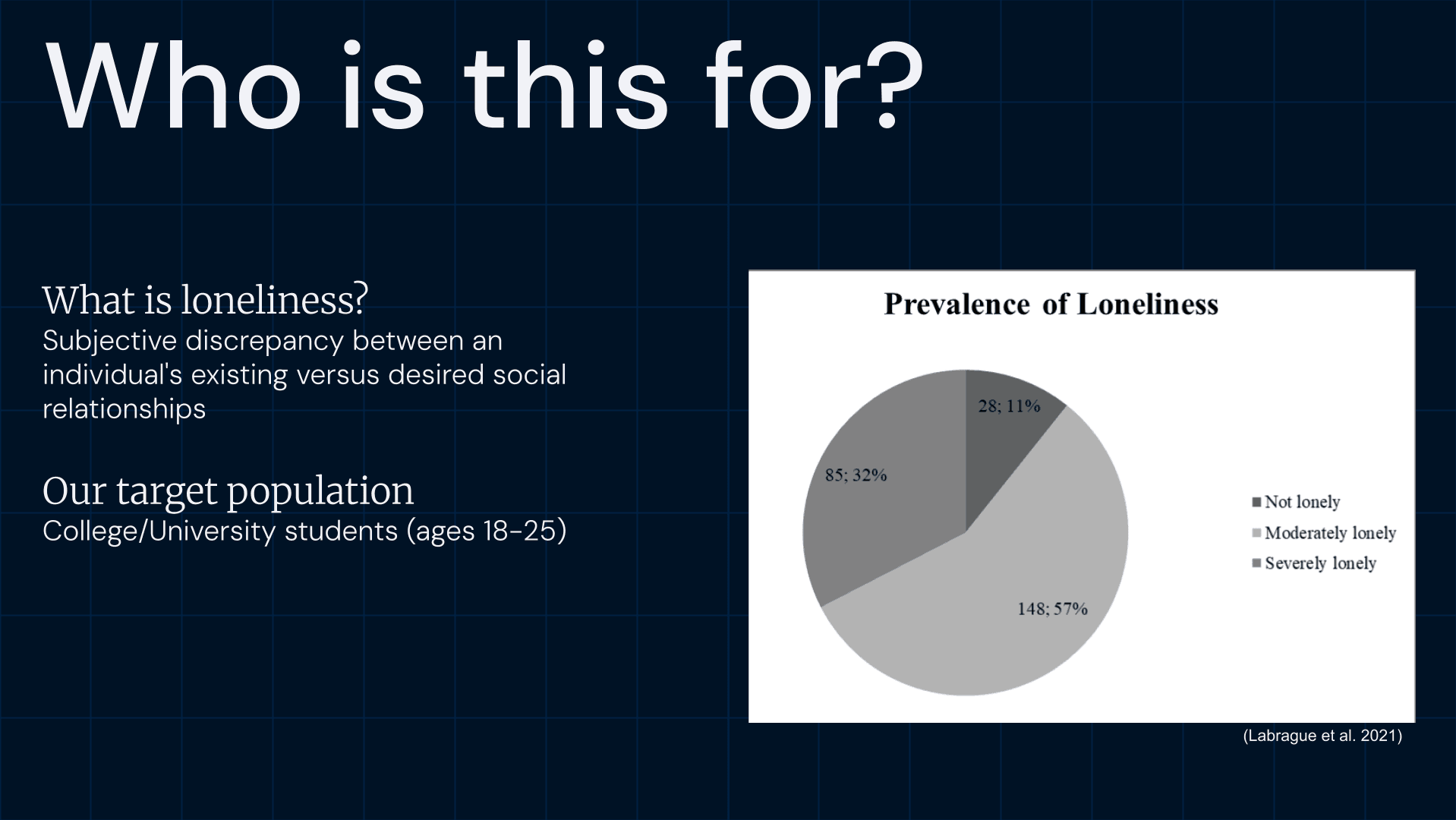
Target Users: Northeastern University students experiencing loneliness and seeking meaningful social connections on campus.
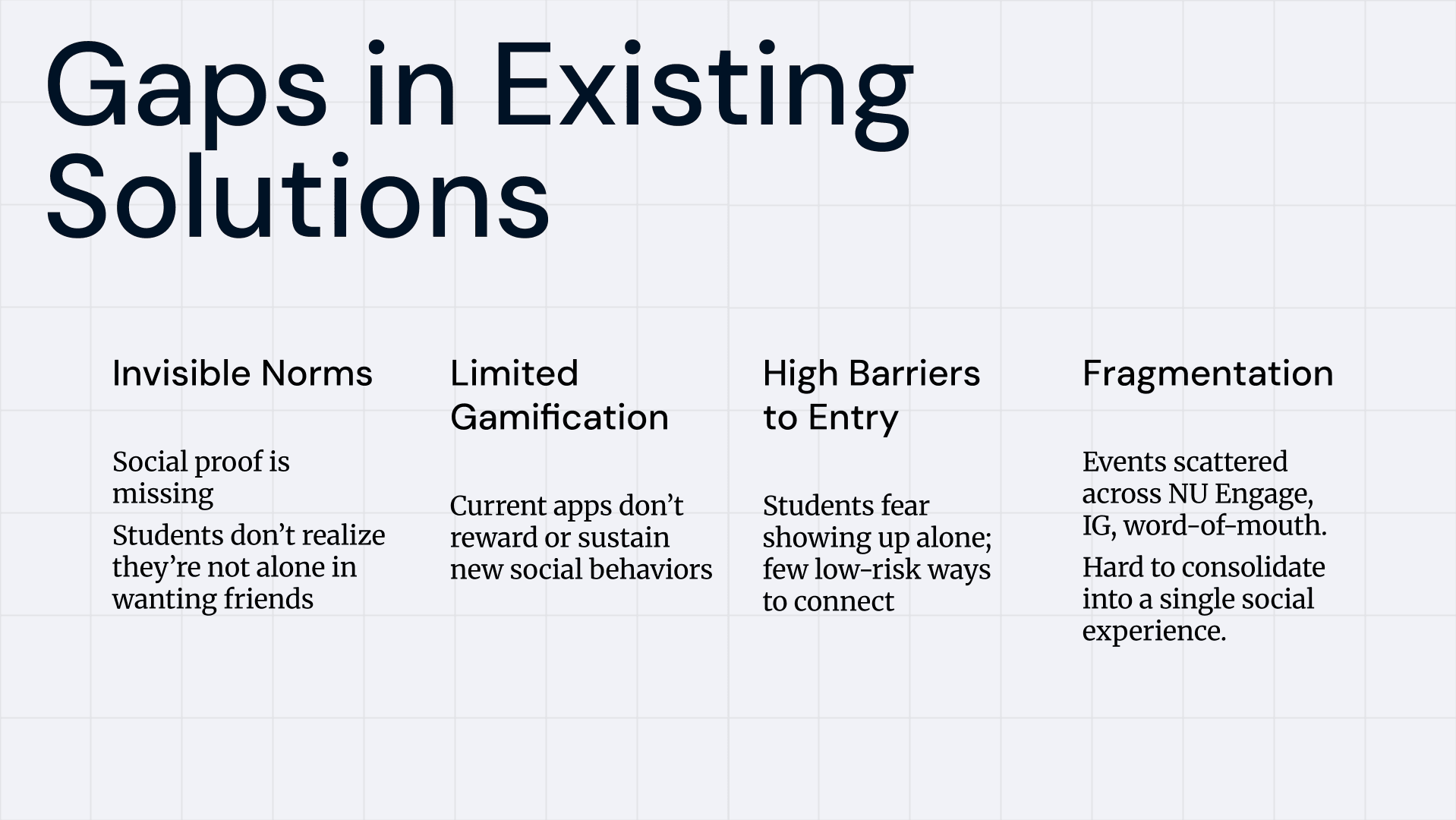
Over 50% of university students experience moderate loneliness, exacerbated by academic stress, relocation, and post-pandemic social disconnection. Existing solutions like counseling services and social apps address isolated aspects of loneliness but lack the comprehensive, theory-driven approach needed to create sustained behavior change and genuine belonging.
RESEARCH
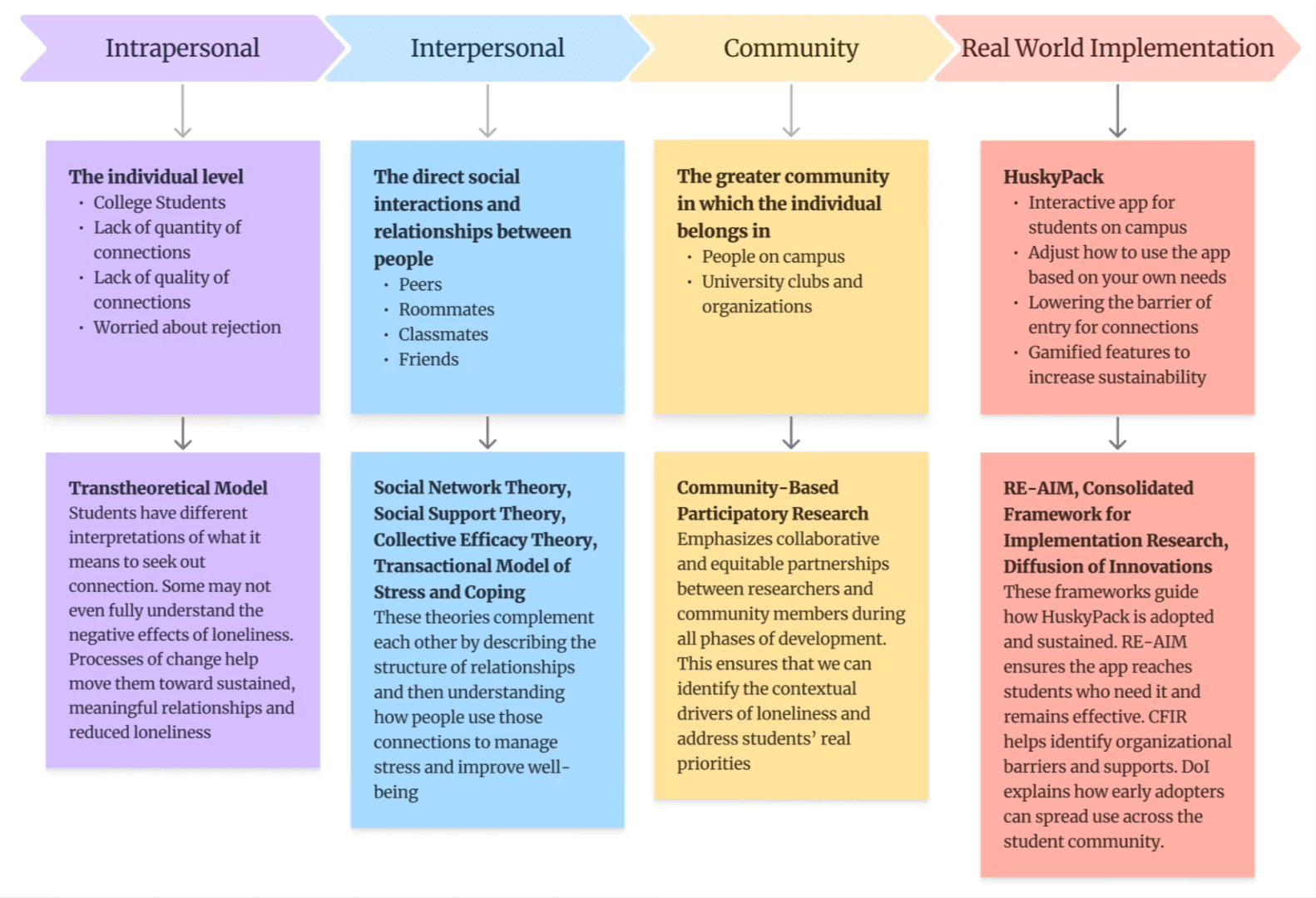
We grounded our approach in behavioral science, recognizing that loneliness operates across intrapersonal (individual beliefs), interpersonal (social relationships), and community (organizational structures) levels.
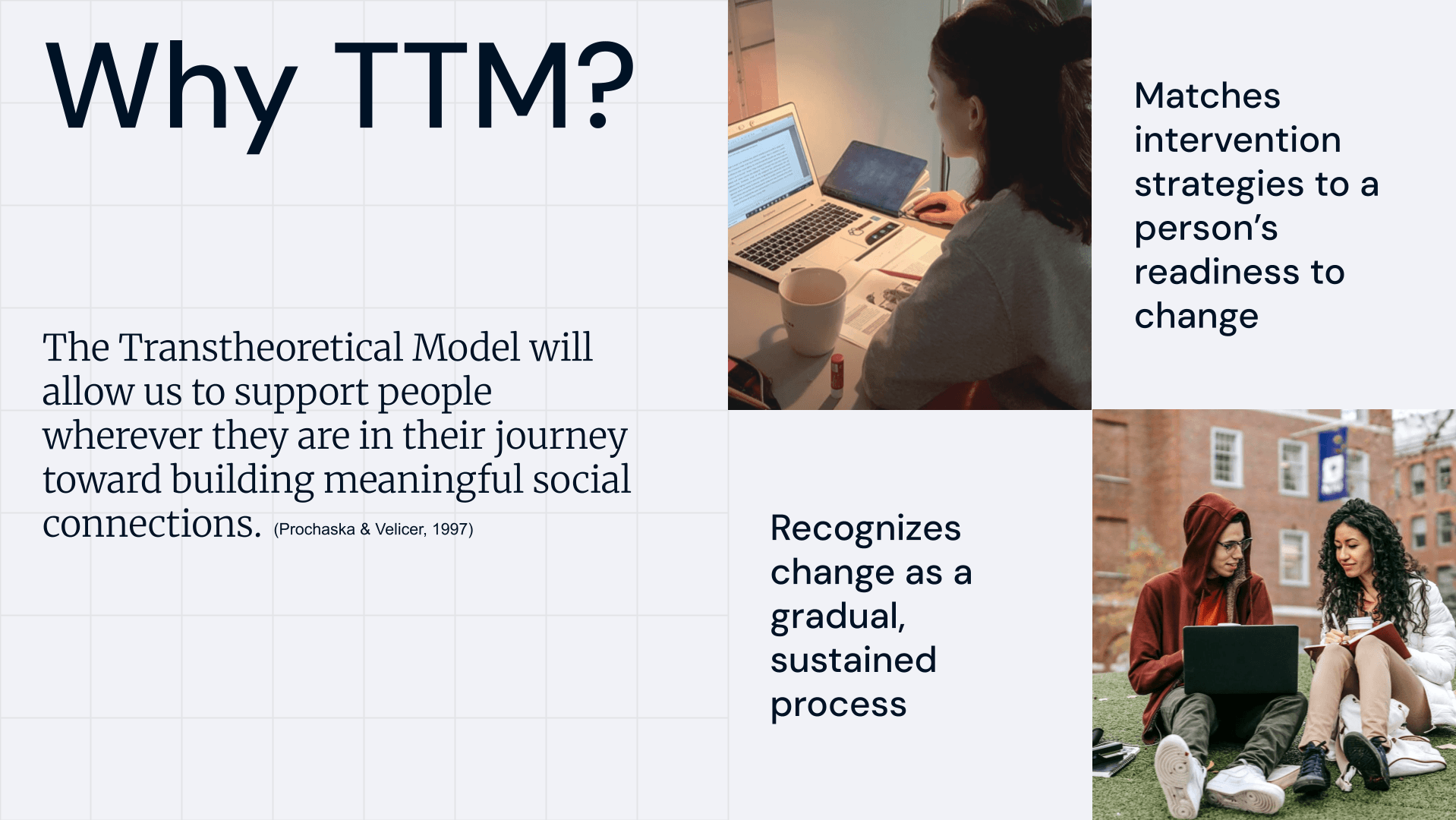
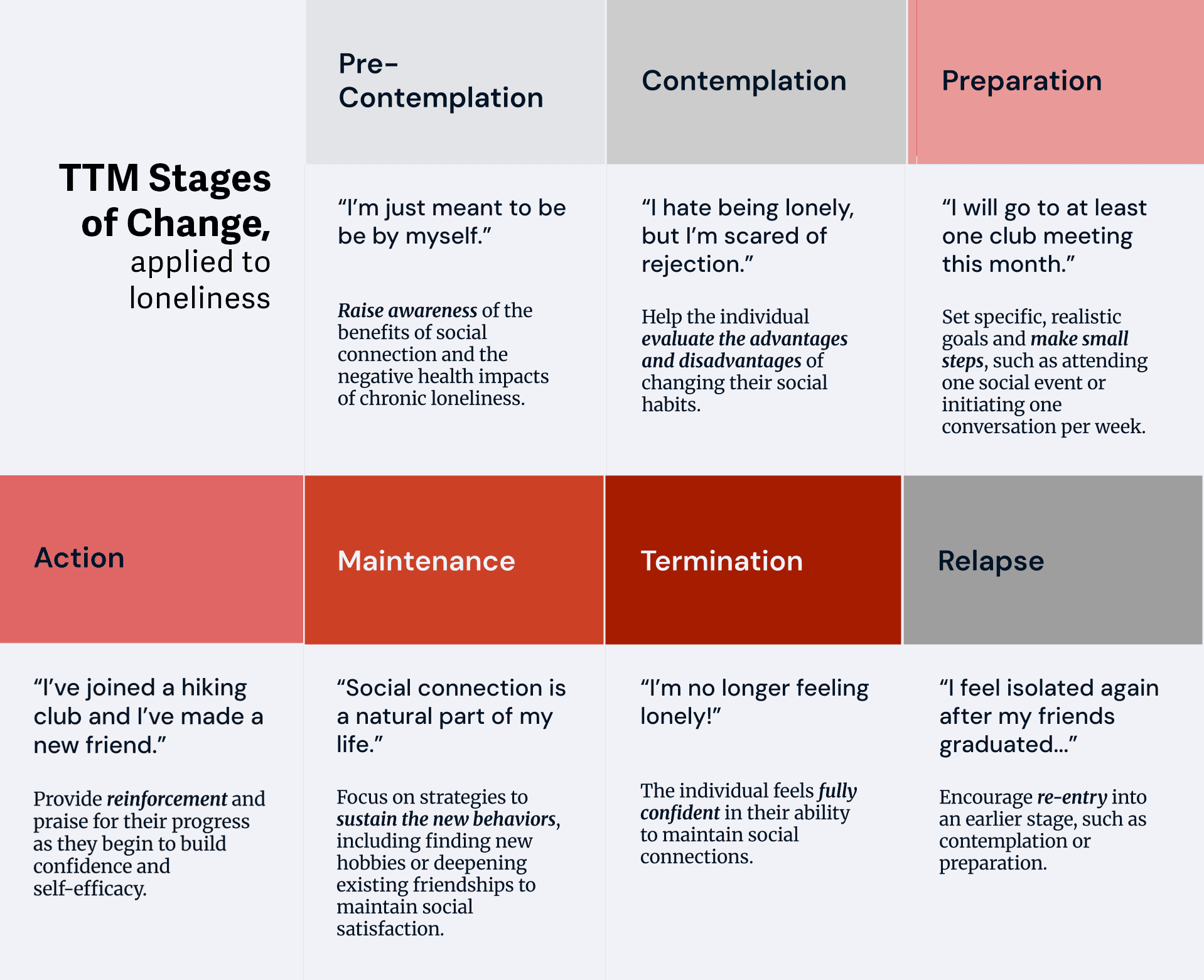
Drawing on Social Learning Theory, Ecological Systems Theory, and the Transtheoretical Model (TTM), we mapped how students could best be supported as they progress through stages of social connection.
SOLUTION
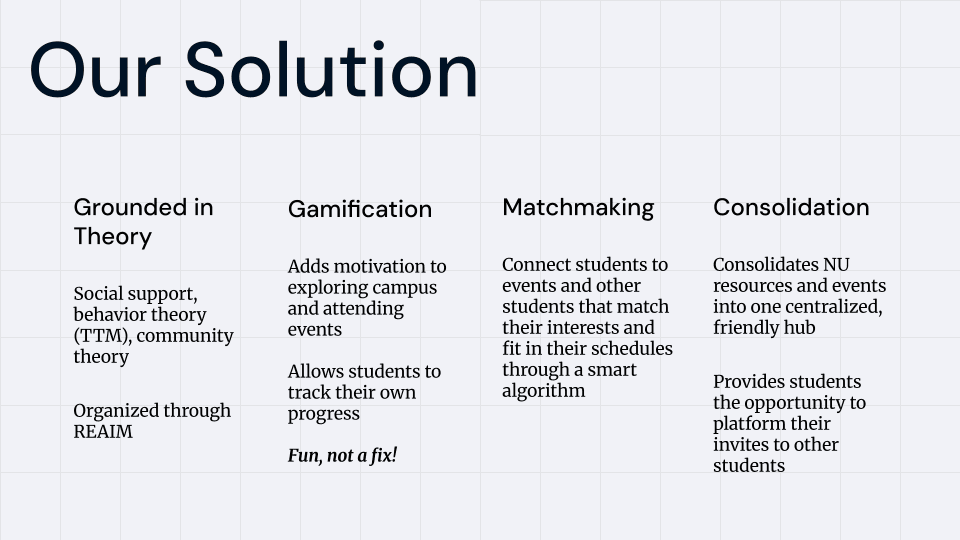
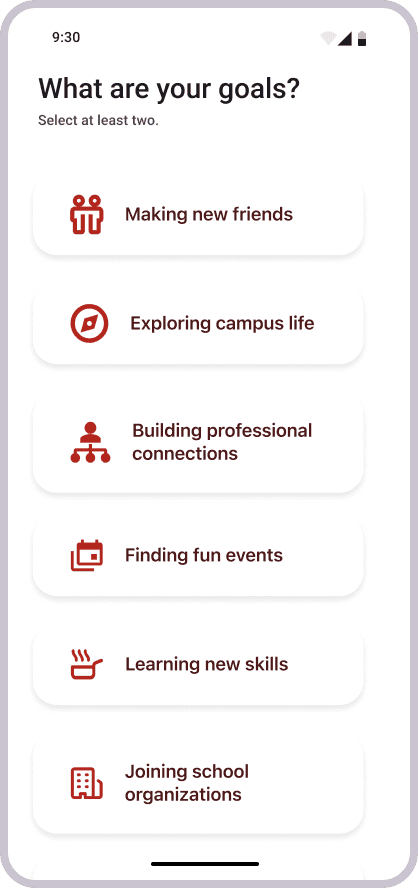
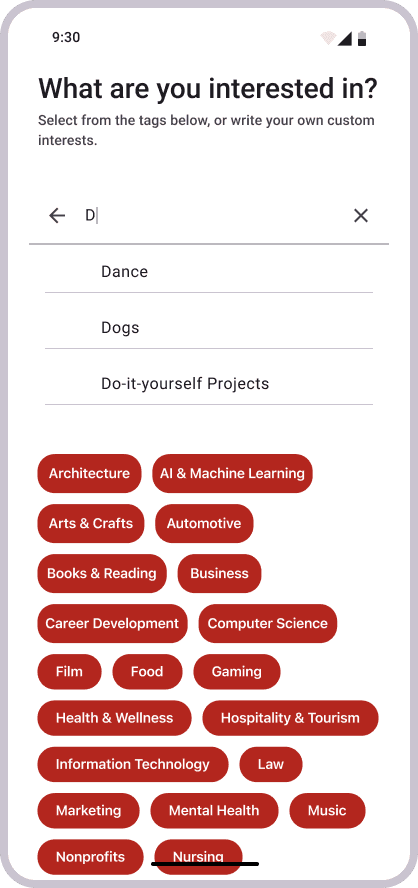
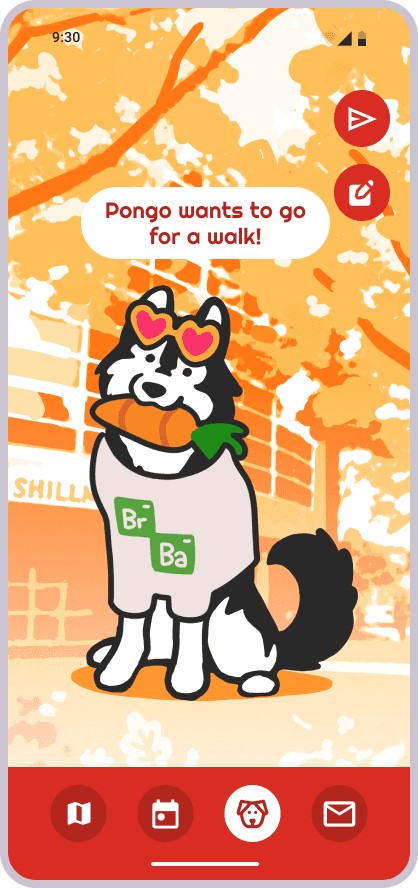
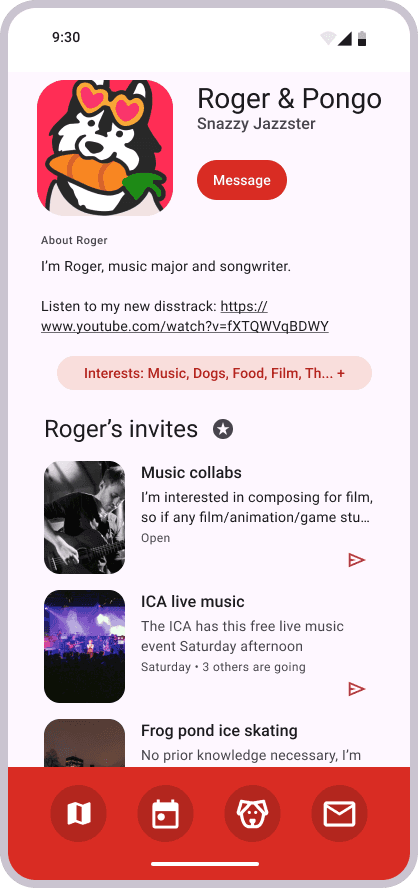
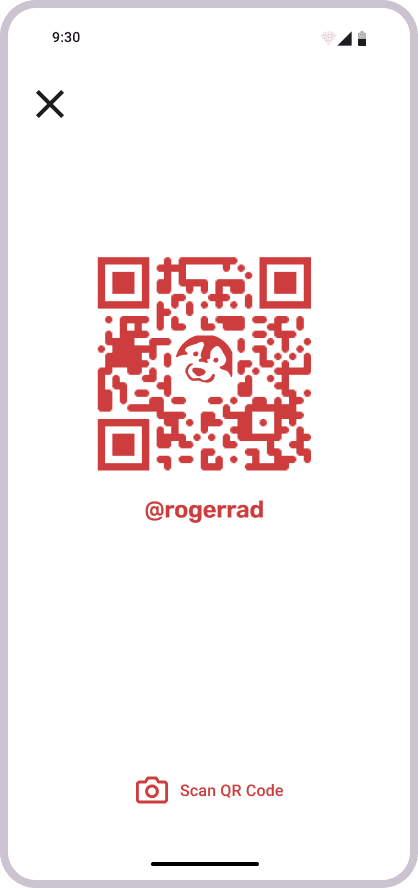
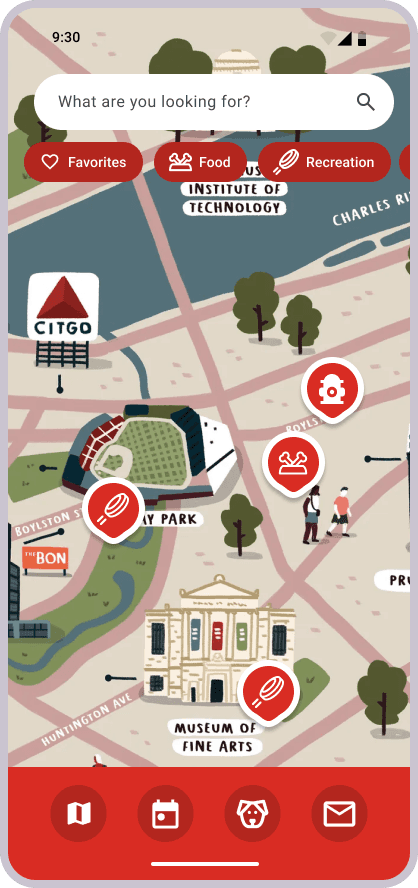
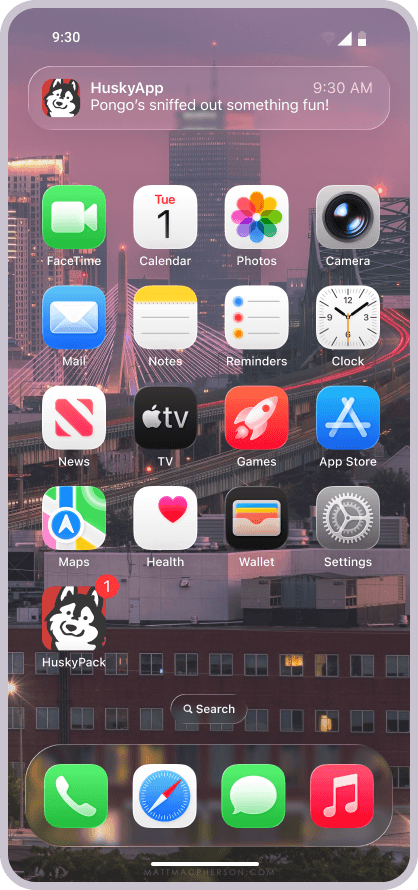
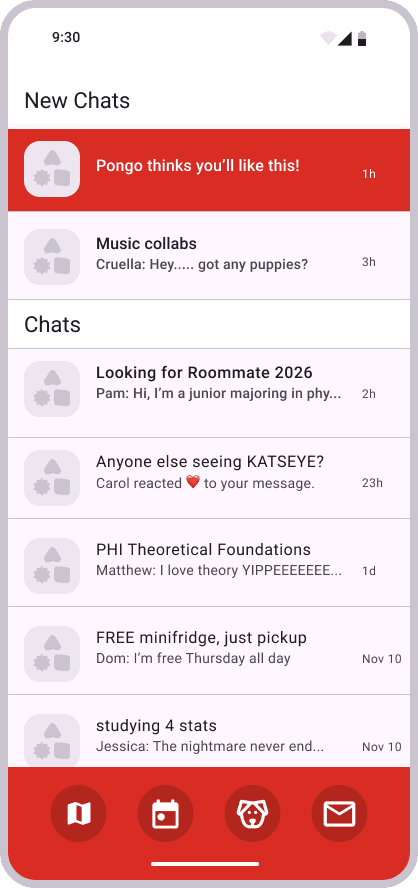
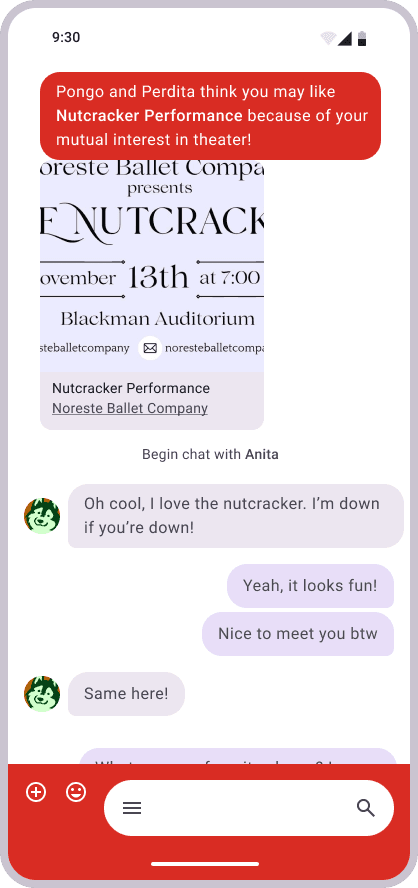
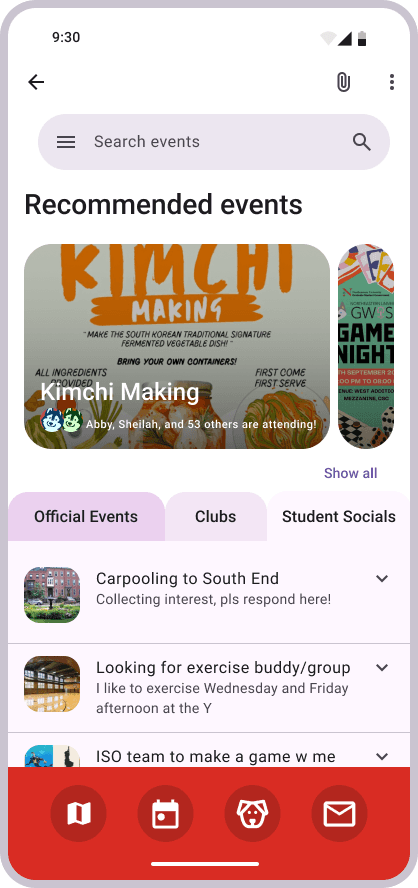
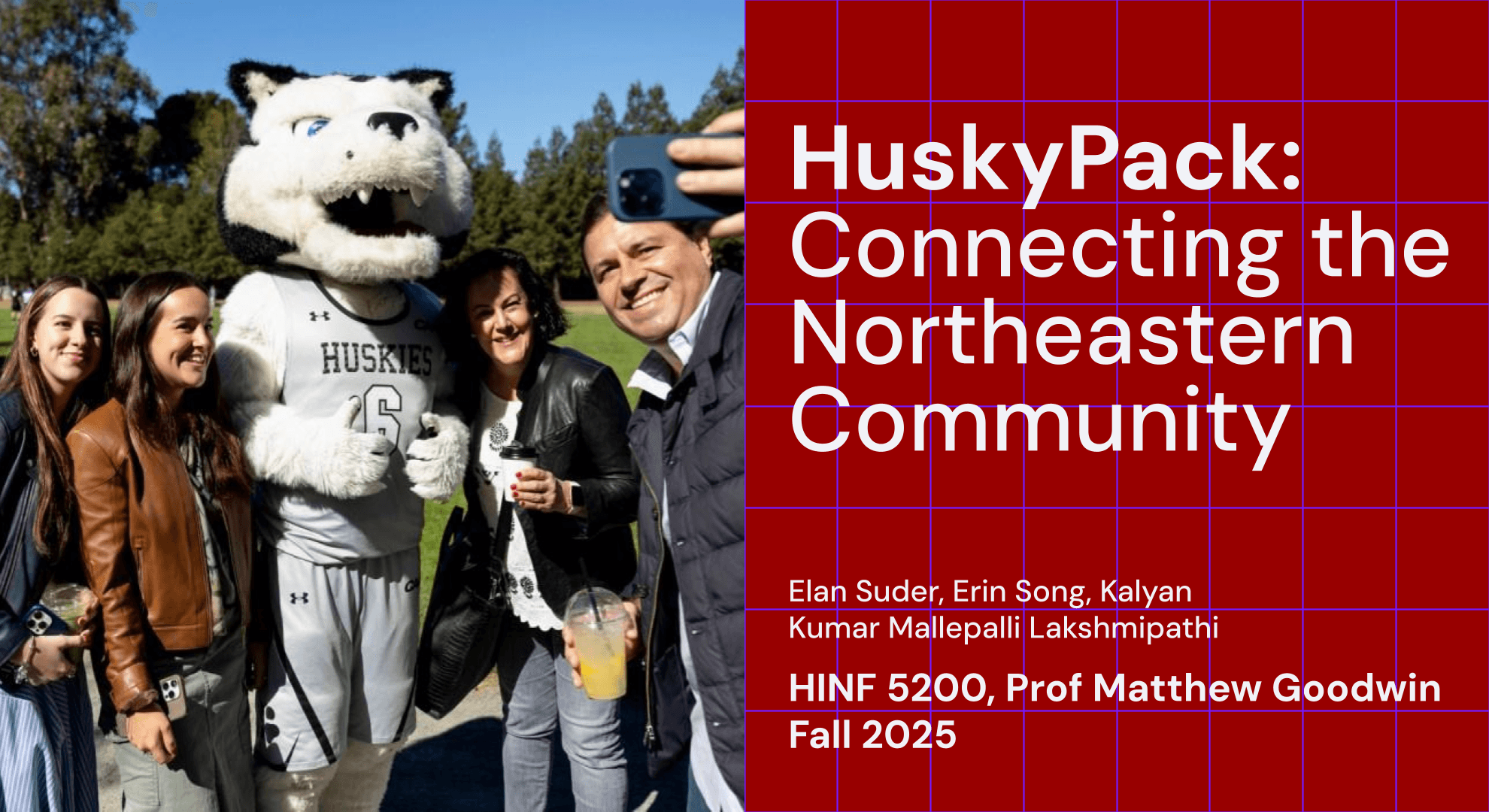
HuskyPack proposes a mobile app that gamifies social connection through avatar customization, event discovery, friend matching based on shared interests, and campus exploration challenges.
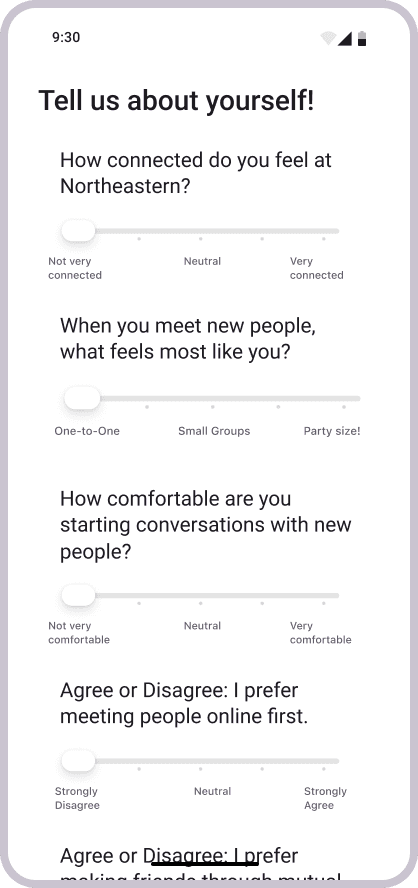
Using the TTM as a model, HuskyPack aims to change behavior through targeted interventions that meet users where they are emotionally. Users progress through connection stages—from awareness to action to maintenance—with features that meet them where they are emotionally.
The app integrates validated assessment tools (SOBI, PANAS, Duke Social Support Index) to track impact on loneliness and social support over time, with built-in social network analysis to understand how connections form and strengthen within the campus community.
We propose our solution to be an improvement to all current solutions because it is grounded in theory for effectual change. The RE-AIM framework structured our entire approach, helping us think through what features to build and they'd actually be adopted, implemented, and sustained within university life.
The gamification elements of achievements, Husky avatars, and co-op quests create an atmosphere of enjoyment rather than obligation. The HuskyPoints system serves multiple functions: it gamifies engagement, rewards active participation, and helps identify highly engaged "connector" students who might serve as organic community leaders or peer mentors. These active members can be strategically matched with newer or less engaged users, leveraging peer influence to model healthy social behaviors and welcome others into the community.
HuskyPack is designed to be a fun social platform that happens to promote wellness, rather than a clinical intervention "fixing" loneliness, which can increase stigma and make lonely students feel singled out. HuskyPack normalizes social connection as a universal student need.